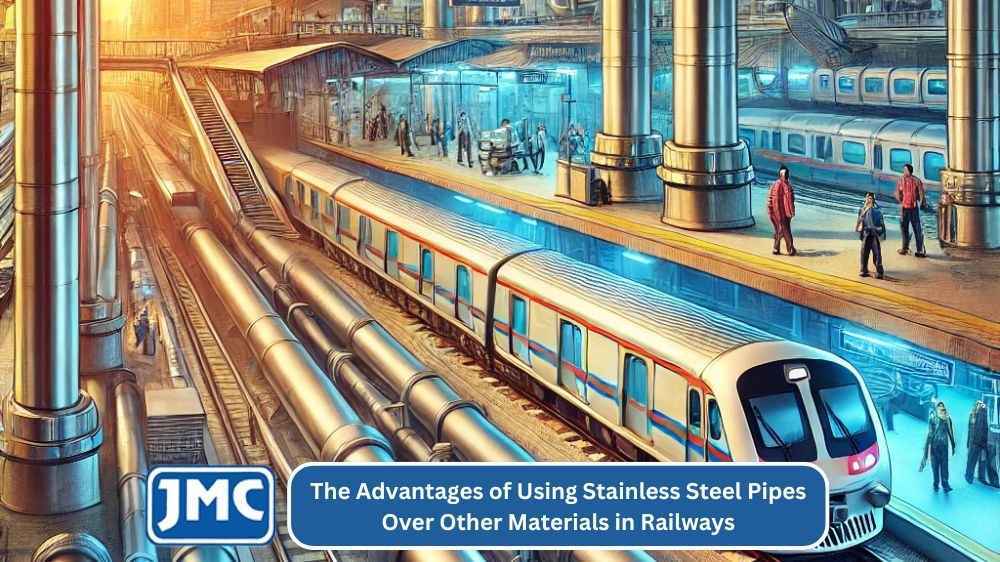
In the ever-evolving railway industry, the need for materials that ensure safety, reliability, and longevity is paramount. Piping systems play a crucial role in railways, with pipes being used for transporting fuel, steam, air, and water, among other critical fluids. While numerous materials can be used for piping, stainless steel has established itself as one of the most reliable, durable, and cost-effective choices for railway infrastructure.
In this blog, we explore the advantages of using stainless steel pipes in railways, comparing them to other materials like carbon steel, copper, and plastic, and explaining why they are ideal for this demanding industry.
What is Stainless Steel and Why is it Preferred?
Stainless steel is an alloy of iron with at least 10.5% chromium, which gives it unique properties, particularly its resistance to corrosion. In addition to chromium, other elements like nickel, molybdenum, and carbon are often added to enhance its mechanical and chemical properties.
Key Properties of Stainless Steel:
- Corrosion Resistance: The chromium oxide layer on stainless steel makes it resistant to rust, oxidation, and corrosion.
- High Strength: Stainless steel has a higher tensile strength than many other materials, making it resistant to deformation under stress.
- Longevity: Stainless steel’s durability translates into a long service life with minimal degradation.
- Temperature Resistance: Stainless steel retains its strength and performance even at elevated temperatures.
1. Durability and Longevity in Harsh Environments
One of the most significant advantages of using stainless steel pipes in the railway industry is their durability and longevity. Railway systems often face harsh environments, including extreme weather, vibrations, and high-pressure conditions. Stainless steel’s strength and resistance to corrosion make it the ideal material to handle these challenges.
- Corrosion Resistance: Stainless steel’s resistance to corrosion is crucial in environments where pipes are exposed to moisture, chemicals, salts, and high humidity, which are common in the railway industry. The pipes used in trains, stations, and tracks are often exposed to various corrosive substances, but 316 stainless steel pipes will not rust or degrade easily.
- Vibration Resistance: Given the constant movement and vibrations in railway systems, stainless steel pipes are ideal for withstanding such conditions without compromising their structural integrity.
2. Enhanced Safety Features
Safety is a top priority in the railway industry, and the use of stainless steel pipes contributes to improved safety standards in several ways:
- Resistance to Leaks and Ruptures: Stainless steel is highly resistant to cracking, making it less likely to rupture or leak under high pressure or extreme conditions. This is crucial in fuel, hydraulic, and steam lines, where leaks could lead to dangerous situations.
- Fire Resistance: Stainless steel is non-combustible and will not catch fire, making it a safer choice for railway infrastructure, especially when dealing with flammable fluids like fuel or gas.
- Impact Resistance: The high toughness of stainless steel ensures that pipes can endure impacts from train movements, collisions, or even debris on the tracks, minimizing the risk of failure.
3. Cost-Effectiveness Over the Long Term
While stainless steel pipes may come with a higher initial cost compared to alternatives like plastic or carbon steel, their long-term cost-effectiveness far outweighs the initial investment. Stainless steel’s low maintenance and long service life lead to substantial savings over time.
- Low Maintenance Costs: Stainless steel pipes require very little maintenance or repairs, as they are resistant to rust, wear, and damage. This helps railway operators save on repair and replacement costs.
- Fewer Downtimes: With a longer lifespan, stainless steel pipes reduce downtime for maintenance, allowing railway operations to run smoothly and efficiently with fewer disruptions.
4. High Strength and Pressure Resistance
In railway systems, many pipes are subjected to high pressures, particularly in fuel, steam, and hydraulic systems. Stainless steel’s high tensile strength makes it an excellent choice for these applications.
- Pressure Resistance: Stainless steel pipes can easily withstand the high internal pressures that are typical in railway systems, such as those in braking systems, compressed air lines, and hydraulic circuits.
- Strength at Elevated Temperatures: Stainless steel’s ability to perform at high temperatures ensures its durability in systems that handle hot fluids or gases, such as exhaust systems and steam lines.
5. Environmental and Sustainability Benefits
As sustainability becomes increasingly important in industries worldwide, stainless steel’s environmental benefits make it an appealing option for the railway sector.
- Recyclability: Stainless steel is 100% recyclable. After the end of its life cycle, it can be melted down and reused without any loss in quality, reducing environmental impact and waste.
- Energy Efficiency: The manufacturing process of stainless steel has become more energy-efficient over the years, contributing to a lower carbon footprint.
The sustainability of stainless steel helps railway operators meet green building standards and environmental regulations, making it a key material in the development of eco-friendly transport systems.
6. Superior Resistance to Heat and Fire
Railway systems, particularly those involving high-speed trains, require piping materials that can handle elevated temperatures. Stainless steel’s heat resistance ensures that pipes remain functional and intact in high-temperature environments.
- Thermal Stability: Stainless steel pipes are ideal for systems exposed to varying temperature ranges, such as exhaust and cooling systems.
- Fire Safety: Stainless steel does not burn, which makes it a safer option for transporting flammable liquids or gases in railway systems. It ensures that in the event of a fire, the integrity of the piping system remains intact.
7. Hygiene and Cleanliness in Transport Systems
Stainless steel is an ideal material for piping systems where cleanliness is a priority, such as water supply lines, air conditioning systems, and food transport systems in railway stations and trains.
- Smooth Surface: The smooth, non-porous surface of stainless steel pipes prevents the buildup of dirt, grime, and bacteria. This is especially important in areas where hygiene is a concern, such as food and water systems.
- Non-Reactive to Fluids: Stainless steel does not react with fluids, ensuring that the quality of transported substances, including drinking water and foodstuffs, is maintained.
8. Versatility and Ease of Fabrication
Stainless steel pipes are highly versatile and can be fabricated into various shapes, sizes, and configurations to meet specific needs. This adaptability is particularly useful in the railway industry, where infrastructure can vary greatly between different regions or projects.
- Customization: Stainless steel pipes can be cut, bent, welded, or threaded to create custom solutions for any railway application.
- Integration with Other Materials: Stainless steel pipes can be easily integrated with other materials like plastic or copper, offering flexibility in mixed-material systems.
Conclusion
The use of stainless steel pipes in the railway industry offers numerous advantages, including enhanced safety, long-term durability, corrosion resistance, low maintenance, and environmental sustainability. These benefits make stainless steel the material of choice for various applications, from fuel and hydraulic systems to cooling and exhaust lines.
In an industry that demands reliability, safety, and efficiency, stainless steel pipes provide the backbone for modern railway infrastructure. As the railway sector continues to grow, embracing sustainable and cost-effective materials like stainless steel will ensure a safer, more efficient, and environmentally friendly transport system for the future.