Why Stainless Steel 317 Tubes Are Used in Corrosive Environments
Corrosion Resistance of Stainless Steel 317 Tubes The primary reason for the specification of stainless steel 317 tubes over standard 300-series alloys is their corrosion

Corrosion Resistance of Stainless Steel 317 Tubes The primary reason for the specification of stainless steel 317 tubes over standard 300-series alloys is their corrosion

Aerospace engineers often need tubing to carry fluid or air while keeping system weight under control. Titanium Grade 5 pipes, also known as Ti-6Al-4V or

Stainless Steel 904L pipes carry aggressive acids and chloride-rich media that would quickly attack conventional grades like 304 or 316. Its high nickel, molybdenum and

Two titanium grades dominate industrial tubing specifications, and the gap between them decides how a system performs under corrosion, load and heat. Titanium Gr 2

Furnaces, reactors, and heat exchangers now operate at higher temperatures and for longer durations than they did a decade ago, and ordinary steel piping cannot

Marine and shipbuilding engineers face a challenge few sectors encounter: structures exposed to seawater for decades. Dissolved salts, oxygen, and microorganisms continually attack metals, while

Power generation systems operate at high temperatures and without margin for error. Steam temperatures in modern thermal plants reach 600°C or higher. Pressures in boiler

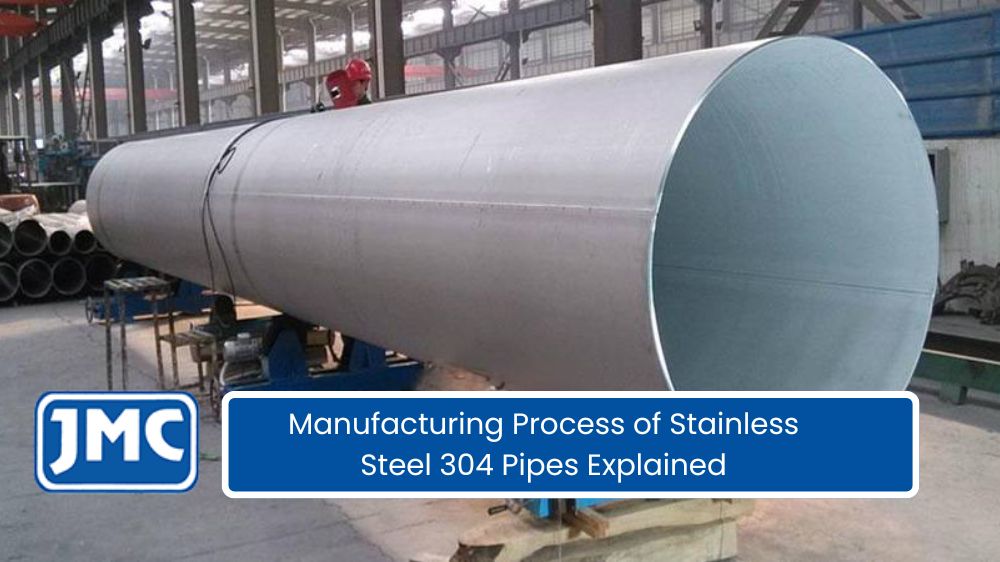
Stainless Steel 304 Pipes rank among the most specified pipe materials across industrial, commercial, and residential construction. Corrosion resistance, mechanical strength, and environmental adaptability have driven

Introduction Titanium Grade 2 pipes are widely used in chemical processing, marine systems, aerospace components, and medical applications due to their excellent corrosion resistance, lightweight

The stainless steel pipe has an important role in modern industry. They are used to move liquids and gases safely around factories and buildings. The